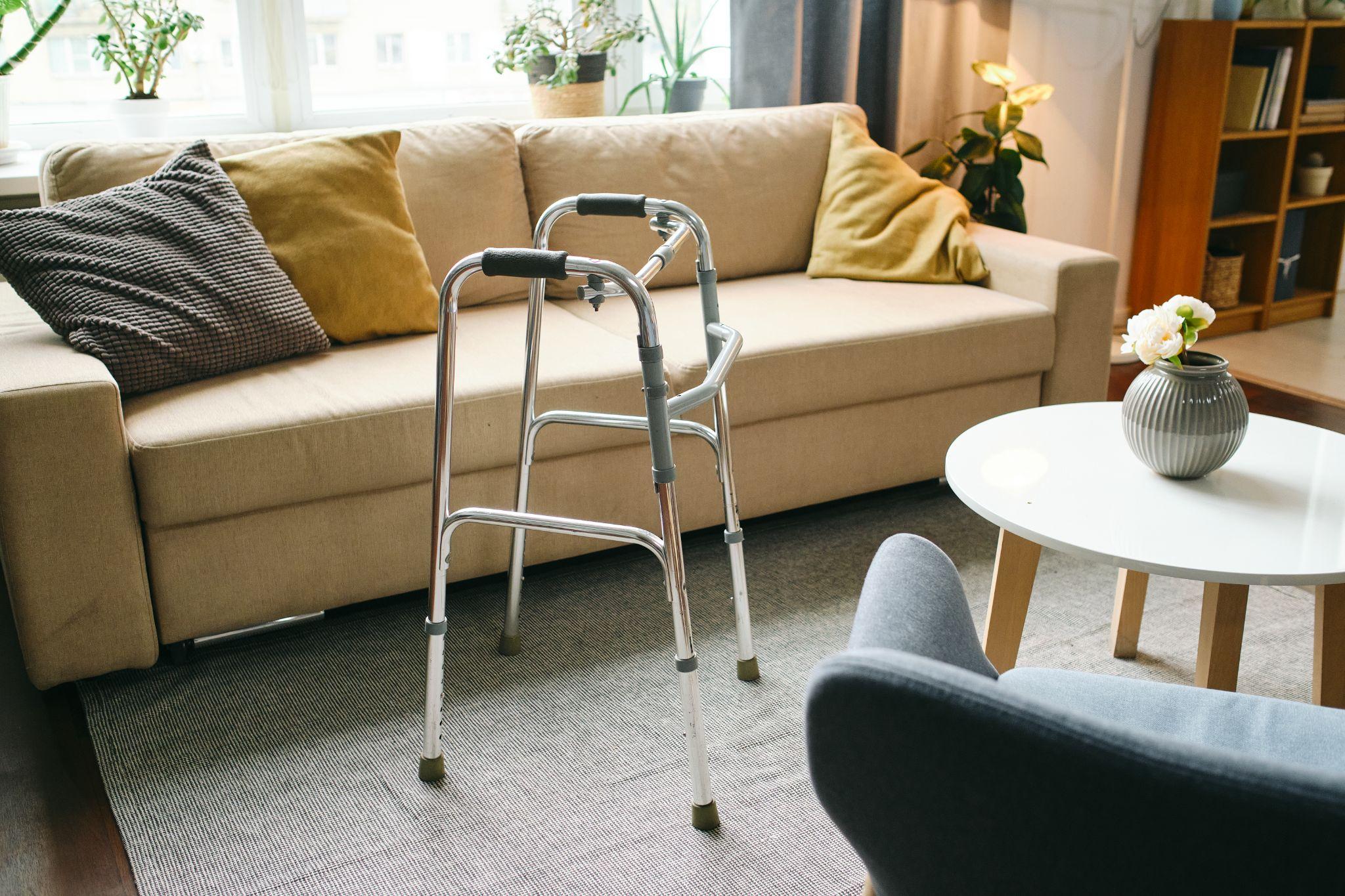
When patients rely on home medical equipment to manage chronic conditions, confidence drives consistency. Small operational and service decisions often make the biggest difference in whether patients stick with therapy or quietly abandon it.
Here’s what experienced leaders say actually works.
Quick takeaways from this article:
- Share clear, non-technical proof that equipment has been rigorously tested
- Reduce cognitive load so patients feel in control from day one
- Design programs that work with devices patients already trust
- Validate equipment placement in the home and follow up early
- Reinforce confidence through peer support, maintenance transparency, and teach-back
Share Reliability Proof to Boost Adherence
Patients don’t just want equipment. They want reassurance it won’t fail when they need it most.
Jennifer Tret explains that showing simplified proof of product testing can dramatically change how patients feel about using medical devices at home. Instead of burying reliability data in technical documentation, her teams distilled results into clear summaries that patients could easily understand.

When patients saw evidence that a wheelchair or oxygen concentrator survived years of simulated real-world use, anxiety dropped. Confidence went up. And adherence followed.
The insight here is simple. When people understand that their device has already been pushed to its limits, they stop treating it like a fragile liability. It becomes a trusted partner in daily life. The same approach reduced resistance during COVID ventilator deployments, proving that transparency builds trust fast.

Tret, Vice President of Business Development
LinkedIn, Element U.S. Space & Defense
Design Out Cognitive Load to Build Trust
Shreya Sridhar highlights a decision most patients never see, but always feel. How much mental effort is required to use the device day after day?
Devices that demand too many steps, choices, or corrections quietly erode confidence. In a clinical setting, those issues are manageable. At home, they feel overwhelming. Especially for patients managing chronic conditions on their own.
Upfront design choices around configuration, error messaging, and behavioral predictability shape the entire experience. When systems behave consistently and surprises are minimized, patients feel more capable and in control.
The key takeaway is that long-term adherence starts long before delivery. It starts with disciplined design decisions that remove friction rather than pushing responsibility onto the patient.

Shreya Sridhar, Principal Engineer
LinkedIn, Principal Engineer
Support Existing Devices to Improve Adherence
Nick Gabriele points to a practical but often missed opportunity. Let new programs work with devices patients already know.
During a remote patient monitoring rollout, compatibility with existing equipment reduced setup stress and eliminated the fear of starting over. Patients didn’t feel like they were learning an entirely new system. They felt supported.
That familiarity builds confidence quickly. It also removes a major barrier to consistency. When patients don’t feel forced to abandon tools they trust, they’re far more likely to stay engaged with care plans over time.

Nick Gabriele, Director
Provide Home Validation and 72-Hour Check-Ins
Dr. Mariam Zakhary emphasizes that environment matters just as much as instruction.
Live in-home validation helps providers identify hazards, placement issues, and subtle obstacles that manuals miss. When technicians walk through real living spaces with patients, equipment becomes part of the overall care experience instead of a drop-off transaction.
The follow-up matters just as much. A standardized 72-hour check-in catches small concerns before they turn into doubt or abandonment. This is where confidence is either reinforced or lost.
Custom quick-start guides tied to daily routines also reduce overwhelm. When instructions match how a patient actually lives, adherence feels doable.

Dr. Mariam Zakhary D.O., Clinical Advisor
LinkedIn, Ikon Recovery Center
Combine Peer Mentors, Maintenance, and Teach-Back
Dr. Shernell Surratt-Gary outlines a layered approach that builds confidence from multiple angles.
Peer-to-peer support helps patients realize they’re not alone. Hearing from someone who’s already managed the same condition turns fear into familiarity.
Transparent maintenance schedules and automated health reports address a common concern. Equipment failure anxiety. When patients know support is proactive, trust grows.
Teach-back closes the loop. Having patients demonstrate device setup confirms competence and reinforces confidence. Mastery, not instruction, is what keeps patients engaged long term.

Dr. Shernell Surratt-Gary, D.O., Clinical Advisor
Final Takeaway
Patient confidence doesn’t come from manuals or one-time training. It’s built through thoughtful operational decisions that reduce fear, increase clarity, and reinforce trust over time.
When home medical equipment feels reliable, understandable, and supported, adherence follows naturally.