Choosing the right medical equipment and supplies is crucial for healthcare providers in ensuring optimal patient care. Whether it’s for a general practice, specialized clinic, or hospital, selecting high-quality equipment directly impacts patient safety, treatment outcomes, and long-term operational success.
Here are four key considerations when selecting medical equipment and supplies:
1. Quality Assurance and Regulatory Compliance
One of the foremost considerations when selecting medical equipment is quality assurance. It’s essential to ensure that the equipment complies with industry standards and regulations. All medical equipment should meet rigorous safety certifications and undergo thorough testing before being put into use. Cutting corners upfront on quality can lead to costly repairs, breakdowns, or, worse, harm to patients. Healthcare providers should prioritize purchasing equipment from reputable vendors known for their reliability and customer service. With certified and well-supported equipment, patient safety is ensured, and the likelihood of long-term dependability is greatly increased.
Nikita Sherbina, Co-Founder & CEO, AIScreen Digital Signage Software emphasizes the importance of choosing supplies that are not only affordable but meet regulatory standards to avoid risks and ensure long-term reliability.

Nikita Sherbina, Co-founder & CEO
LinkedIn, AIScreen Digital Signage Software

2. Clinical Excellence in Specialized Equipment
For healthcare providers dealing with specialized care, such as vein specialists or other focused disciplines, ensuring that equipment is clinically suitable is paramount. Equipment in specialized care should balance advanced technology with patient-centered design and proven performance. This is especially critical when equipment like vascular devices is involved, where minor inaccuracies could have serious consequences on patient safety and treatment outcomes.
Uthan Vivek, Medical Director, North Atlanta Vascular Clinic advises focusing on factors like precision, safety standards, and ease of use to minimize human error and improve workflow. Furthermore, long-term durability and ease of maintenance should be considered to ensure that equipment can withstand frequent use without failure. Compatibility with specific clinical needs, like minimally invasive techniques, and the availability of reliable vendor support for ongoing service and repairs are also crucial to maintaining effective patient care.

Uthan Vivek, Medical Director
LinkedIn, North Atlanta Vascular Clinic
3. Reusable Equipment to Reduce Infection Risk
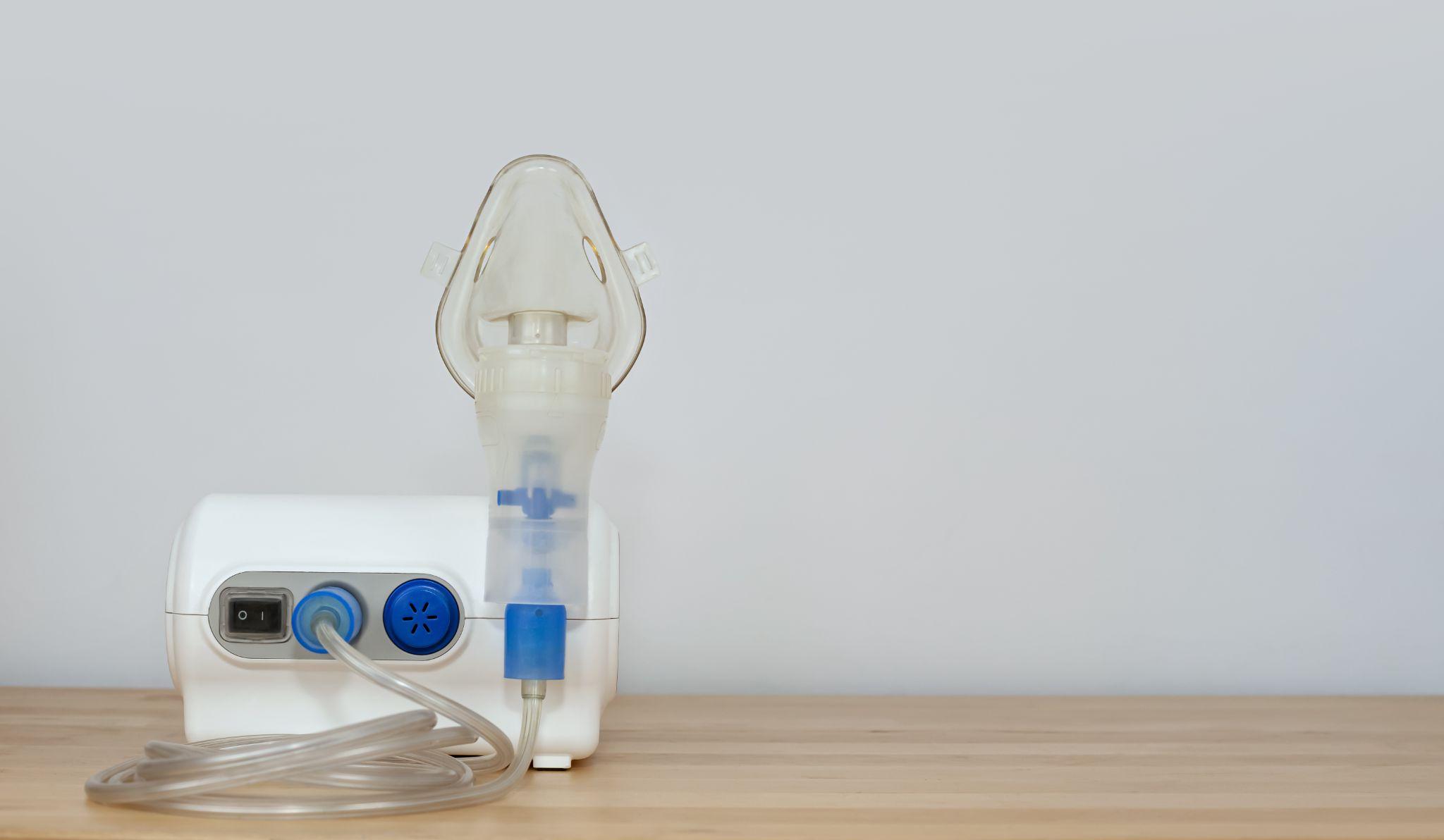
When selecting medical supplies, it’s vital to prioritize reusability. Reusable equipment that can be safely sterilized and stored for future use minimizes the risk of infection or disease transmission. This is especially important in environments where resources may be limited, or the risk of cross-contamination is higher. By selecting high-quality, durable equipment that can be safely reused, healthcare providers reduce the likelihood of costly infections and ensure the safety of both patients and staff.
Austin Anadu, Medical Doctor, AlynMD, highlights the role of reusable equipment in preventing infections, particularly when hygiene standards may be compromised or when supplies are limited. Opting for equipment that can be sanitized and reused ensures continuous care without additional risks to patient safety.

Austin Anadu, Medical Director
4. Proven Performance and Support
Finally, healthcare providers must consider the proven performance and support of the medical equipment they purchase. It’s not just about the initial quality but about how well the equipment performs over time and how well-supported it is by the vendor. Systems that have been thoroughly tested and are backed by strong warranties and manufacturer support are key to delivering consistent results. Whether it’s an orthodontic tool or a vascular device, ongoing vendor support ensures that the equipment will be properly maintained and serviced.
Dr. Laurence Schimmel, DDS, from Schimmel Orthodontic Associates, emphasizes that every piece of equipment should be evaluated based on its performance, integration into the clinic’s workflow, and the availability of reliable after-purchase support. Choosing clinically proven equipment not only improves practice management but ensures that patients receive safe, predictable care every time.

Dr. Laurence Schimmel, DDS, Owner
LinkedIn, Schimmel Orthodontic Associates
Conclusion
Choosing the right medical equipment requires careful evaluation, which directly impacts patient safety and quality of care. We find the sweet spot between affordable pricing and equipment that lasts, always putting patient safety first rather than just looking for the cheapest option. This helps healthcare providers create strong care systems that work well for both patients and staff.
Our thorough approach makes a real difference in patient care. Quality checks ensure reliable equipment, reducing breakdowns and preventing expensive hospital returns. Long-lasting equipment helps patients maintain their independence and improves their daily life without constant repairs. Sourcing quality equipment also protects patients’ wallets through providing items that insurance covers and actually work, avoiding unexpected costs from poor-quality products.